
From dialogue to polarization: An American circle of friends in crisis
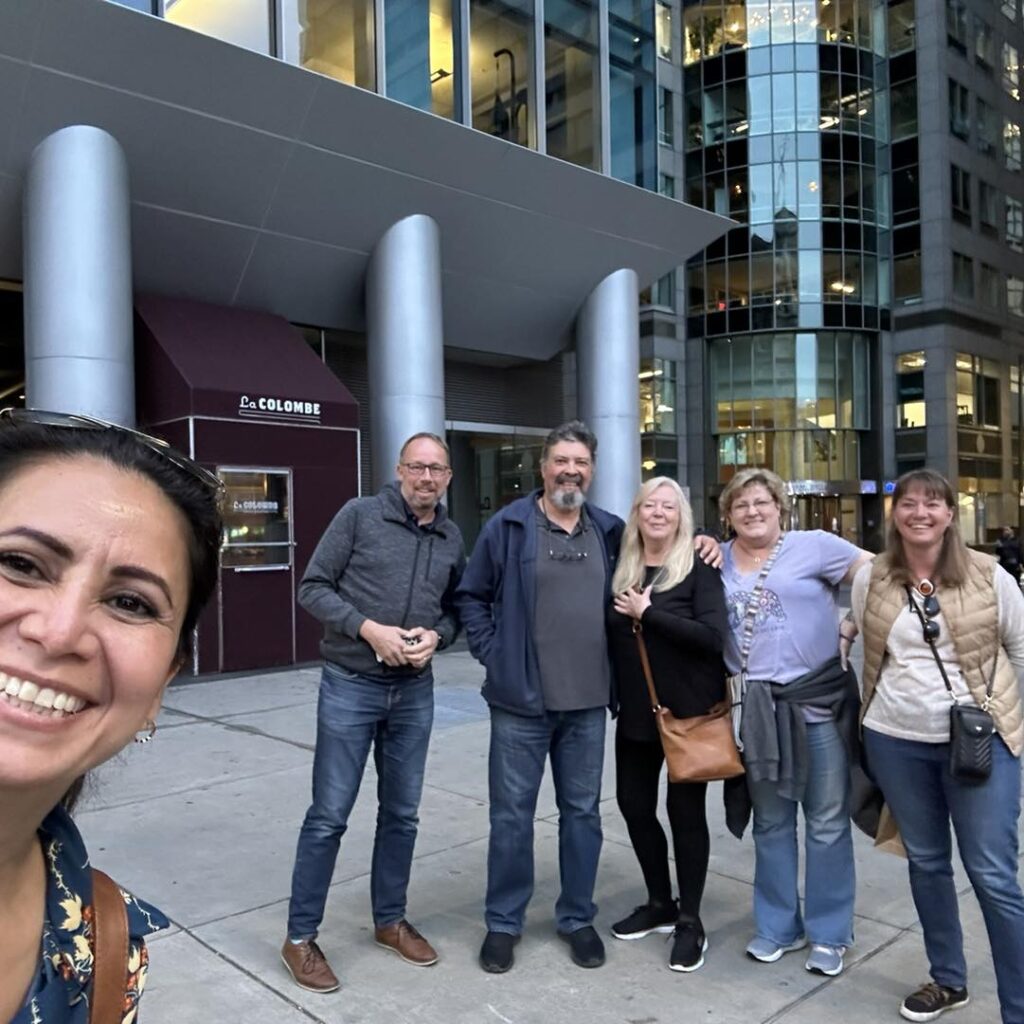
Where should we move when Trump wins? I had coffee with Danish Americans in Pennsylvania.
They are deeply concerned that Trump will win, but they also fear the violence that will follow if he loses.
They have all considered moving to another country if Trump wins. It could be Mexico to be close to their children, Spain, or another European country. Denmark is not an option for them due to its strict immigration rules.
“Here we are immigrants, but in our own country we are not even welcome.” We sometimes forget how unfair our immigration rules are.
They have friends who are also immigrants whose safety they fear for if Trump loses.
Their friends have started transferring money abroad in case they need to relocate.
I am shocked by how uncertain they feel about the future. I ask them where this uncertainty comes from. They tell me that there have always been two parties in the US, and both parties have had extremes. But the middle ground has always been able to talk to each other. That is no longer the case. Dialogue has been replaced by anger, suspicion, and fighting over facts.
They are particularly concerned about fake news. Many people believe in conspiracy theories. Established media outlets have lost credibility. Everyone has become an expert on social media, where they spread fake news.
For example, they talk about how some Republicans believe that Democrats are responsible for hurricanes. How can you argue against such grotesque claims, one of them asks.
I become completely absorbed by their frustration, and finally I pull myself together and ask if they themselves could build bridges to some of their Republican friends/colleagues.
The answer comes promptly from one of them: "This is not the time for bridges." But if not now, then when? I ask. We talk at length about personal responsibility for dialogue, what echo chambers do to prejudice and polarization.
There is complete silence. "I will never discuss politics with my Republican friends again. Otherwise, the last remaining connection will also disappear," says one of them.
When I leave there, I feel so sad about how serious the polarization in the US is.
I can't help thinking about my conversation with Professor Kenneth Gergen earlier this week, who said that it's not enough to bring people together. Dialogue must be supported and structured. We need help to build communities of shared values before we talk about what divides us.
Many thanks to my dear Danish-Americans for taking the time to educate me. I sincerely hope that the sun will shine on you and the country you live in.